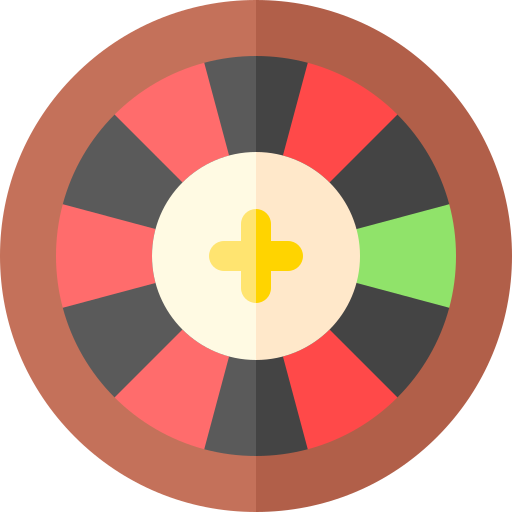
The Roulette Wheel: Number Sequence, Sectors and Wheel Types
The wheel layout is not random: numbers alternate red and black and balance high and low around the rim. Knowing the sequence and the called sectors helps you understand neighbour bets and how the two wheel types differ.
- European: 37 pockets
- American: 38 pockets
- Called sectors on the wheel
The European roulette wheel has 37 pockets (0-36) arranged so colours alternate and high and low numbers are spread evenly around the rim. The American wheel adds a second green pocket, 00, for 38 pockets, which raises the house edge. The physical order of numbers on the wheel differs from the betting layout and underpins neighbour bets and the three classic called sectors: Voisins du Zero, Tiers du Cylindre and Orphelins.
The European wheel sequence
Clockwise from zero, the European wheel runs: 0, 32, 15, 19, 4, 21, 2, 25, 17, 34, 6, 27, 13, 36, 11, 30, 8, 23, 10, 5, 24, 16, 33, 1, 20, 14, 31, 9, 22, 18, 29, 7, 28, 12, 35, 3, 26. Colours alternate and high/low and odd/even are balanced around the rim.
The American wheel difference
The American wheel adds 00 and uses a different order, placing numbers in directly opposite pairs. The key consequence is mathematical, not physical: two green pockets (0 and 00) instead of one raise the house edge from 2.70% to 5.26%. Compare them on the variations page.
Zero and double zero
The green zero (and 00 in American) is where the house edge lives. On even-money bets the zero is the pocket that loses your bet - unless you play French roulette with La Partage, which returns half your even-money stake when zero lands.
Neighbour bets
A neighbour bet covers a chosen number plus the numbers physically beside it on the wheel - commonly two on each side, for five numbers total. These are "called" or "announced" bets placed by their wheel position rather than the layout.
Wheel sectors
| Sector | Meaning | Numbers covered |
|---|---|---|
| Voisins du Zero | "Neighbours of zero" | 17 numbers around the zero (22 to 25) |
| Tiers du Cylindre | "Third of the wheel" | 12 numbers opposite the zero (27 to 33) |
| Orphelins | "Orphans" | 8 numbers in the two remaining gaps |
These sectors are coverage tools used in French-style play. Like all coverage, they change which numbers you back, not the edge.
The racetrack and neighbour bets
The racetrack is the oval betting panel that mirrors the physical order of numbers on the wheel, so players can place neighbour and sector bets by wheel position rather than hunting across the main layout. In the diagram below, each number is coloured red, black or green as on the wheel, and its outer ring shows which called sector it belongs to. The red highlight marks an example five-number neighbour bet on zero (covering 3, 26, 0, 32 and 15).
Does the wheel layout help you win?
No. The balanced sequence is designed for fairness and presentation. Sector and neighbour bets spread your stake across the wheel for a different volatility profile, but the expected value stays negative - see the odds calculator.
Related guides

Frequently Asked Questions
The European wheel runs 0, 32, 15, 19, 4, 21, 2, 25, 17... balancing colour, high/low and odd/even around the rim.
It adds a 00 pocket for 38 total and uses opposite-pair ordering, raising the house edge to 5.26%.
The three classic called sectors: neighbours of zero (17 numbers), the third opposite zero (12 numbers) and the orphans (8 numbers).
A bet on a chosen number plus the numbers physically next to it on the wheel, usually five numbers in total.
No. It is balanced for fairness; sector bets change coverage and volatility, not the house edge.